Five Mistakes I’ve Made When Running (And How You Can Avoid Them)
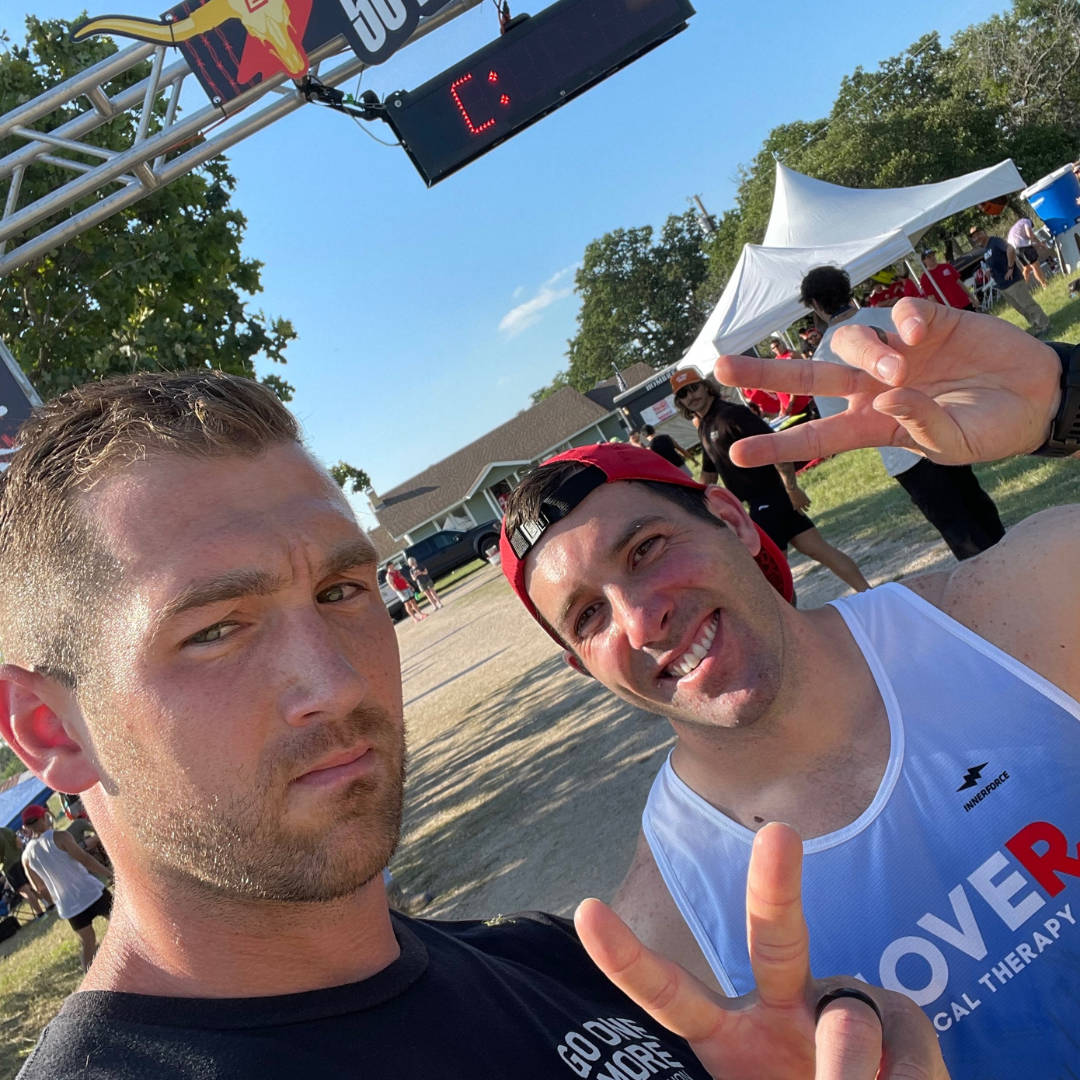
January always feels like a new chapter. Like a lot of people (myself included), I tend to set big goals for the year ahead. And more often than not, those goals involve running — signing up for a race, doing something a little crazy like the Made for More Ultra, or simply committing to move more and walk throughout the day.
I’ve been guilty of all three… at the same time.
Over the years, I’ve learned that ambition isn’t the problem — execution is. With the help of the team at MoveRx Physical Therapy, I’ve managed to stay injury-free while chasing big running goals and juggling real life — work, family, and everything in between.
Here are the five biggest running mistakes I’ve made, and what I wish I had known sooner.
1. I Started Too Fast. Way Too Fast.
For a long time, my runs followed the same script: I’d start way too fast, my heart rate would spike almost immediately, I’d die a little inside, recover just enough to survive, and then limp my way to the finish.
On paper, the run was “done.”
In reality, i wasn’t getting much better.
What I learned:
Starting too fast turns an easy run into a threshold workout (uncomfortably hard, sustained effort) — whether you mean to or not. That early heart-rate spike creates fatigue that sticks around longer than the run itself.
What works better now:
Start slower than you think you should
Let heart rate settle before building pace
Finish runs feeling controlled, not cooked
The goal isn’t to survive the run.
It’s to finish strong and be able to run again tomorrow.
2. I Tried to Do Too Much, Too Soon
Once I got rolling, I didn’t just run — I stacked everything. More miles. More days per week. Longer weekend runs. All while telling myself I was being “consistent.”
What I didn’t realize was how quickly volume adds up, even when the pace feels easy.
What I learned:
Your heart and lungs adapt faster than your joints, tendons, and connective tissue. Just because you can handle the miles doesn’t mean your body is ready to sustain them.
What works better now:
Build mileage gradually, not aggressively
Change one variable at a time (distance, days, or intensity)
Treat recovery as part of training, not time off
Having a plan (I recently finished a training program on the AI-powered Runna app. It’s legit. Check it out)
Running more felt productive.
Running smarter is what actually kept me healthy.
3. I Ignored Small Pain Signals (Until They Weren’t Small)
For a long time, I brushed off minor aches as “normal running stuff.” Tight calves. A knee that hurt the first mile. A hip that felt off but loosened up once I got moving.
I told myself it was fine — until it wasn’t.
What I learned:
Small pain is rarely random. It’s usually your body compensating for fatigue, weakness, or poor mechanics. Ignoring it doesn’t make it go away — it just lets it evolve.
What works better now:
Address discomfort early instead of running through it
Pay attention to pain that changes your stride or form
Treat recurring pain as information, not a nuisance
Most running injuries don’t happen overnight.
They build quietly, one ignored warning at a time.
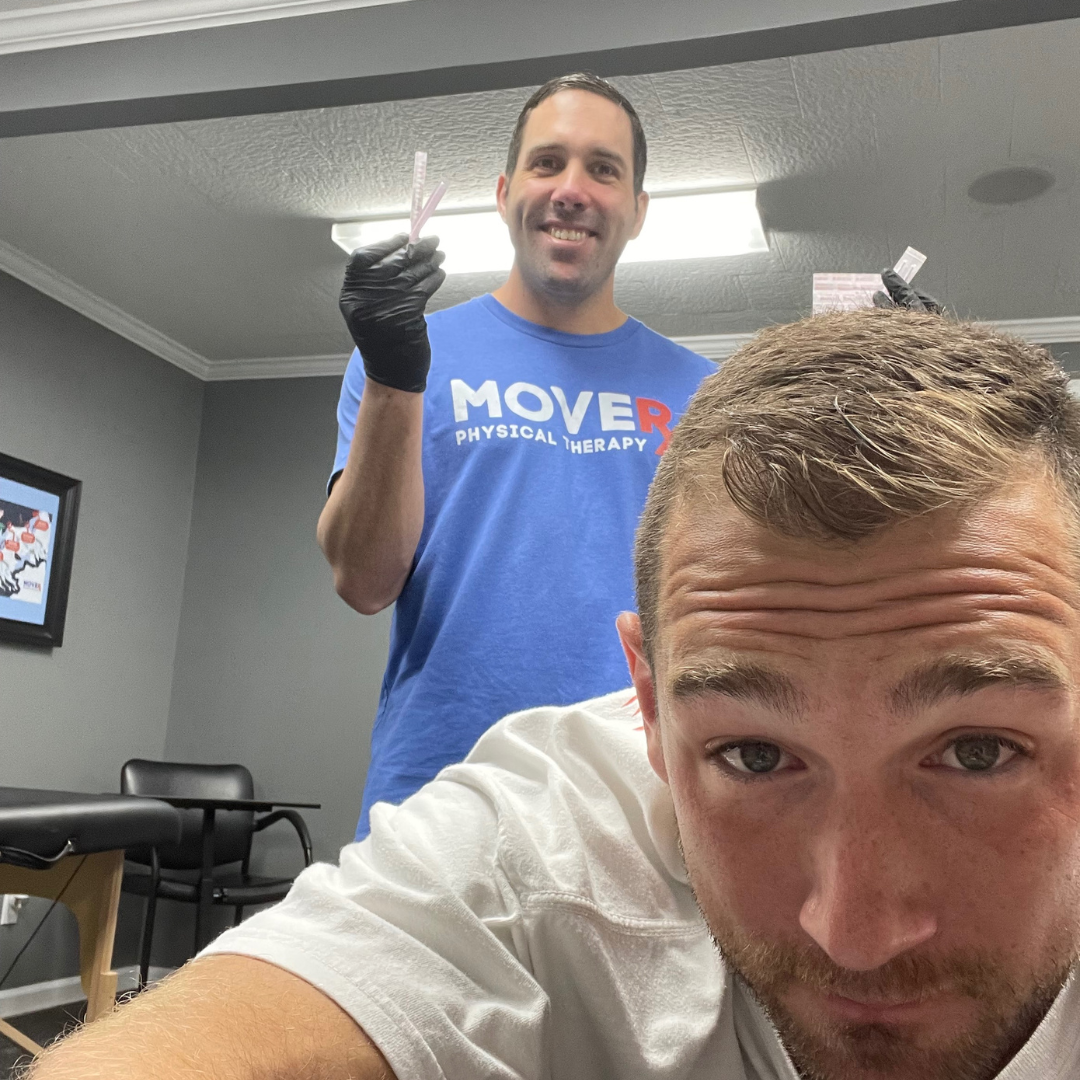
Luckily, the Beau and Chuck at MoveRx are very experienced physical therapists AND runners and can help you out with all of the above!
4. I Assumed Strength in the Gym Meant Strength for Running
I’m a strong guy. I lift. I do CrossFit. I’ve spent years building strength — and I assumed that automatically carried over to running.
It doesn’t.
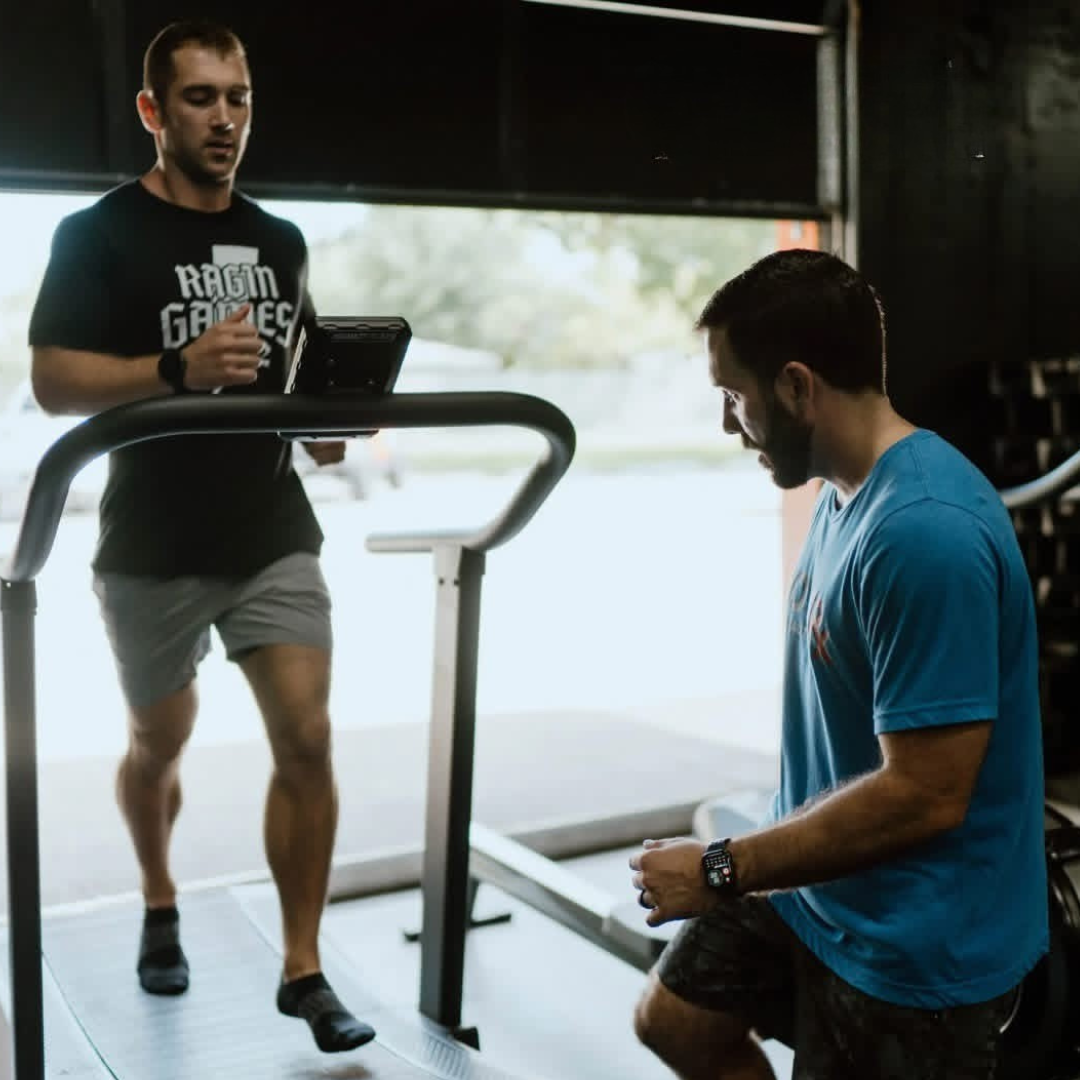
What I learned:
Running demands specific strength — single-leg control, foot and ankle capacity, hip endurance, and the ability to manage force thousands of times in a row. General gym strength doesn’t always translate to running durability.
What works better now:
Identify any imbalances (MoveRx is one of the only clinics in Acadiana with Vald ForceDecks to find this out)
Prioritize single-leg strength and control
Build calf, foot, and ankle capacity — not just power
Train stability and endurance, not just max effort
Being strong didn’t protect me from a breakdown.
Being appropriately strong did.
5. I Treated Recovery Like a Bonus Instead of a Requirement
For a long time, recovery was optional. Sleep, easy days, mobility — those were the first things to go when life got busy.
What I learned:
Recovery isn’t what you do after training. It is the training. Without it, progress stalls and injuries show up fast.
What works better now:
Protect sleep like a workout (a really long, relaxing workout)
Schedule easy days on purpose
Use recovery to support consistency, not perfection
You don’t get stronger during the run.
You get stronger when your body has time to adapt.
Ready to Run Smarter This Year?
If any of this sounds familiar, you’re not failing— you’re learning. The difference between runners who stay consistent and those who keep restarting isn’t toughness. It’s having the right plan and the right support.
That’s exactly what we focus on at MoveRx.
Whether you’re training for a race, getting back into running, or just trying to stay active without nagging pain, our running-focused physical therapy and performance training helps runners across Lafayette, Broussard, and anywhere in the Acadiana area move better and stay healthy!
If running is part of your 2026 goals, now’s the time to build the foundation.