
Ultras: The Art of Not Quitting
At some point, you may think to yourself, “Hmm, that marathon was fun, but it’s not enough”.
You start wondering what happens after 26.2. What it feels like to run through the night. To manage your body for 8, 12, maybe 24+ hours. To experience the moment where you feel your legs might fall off — and keep moving anyway.
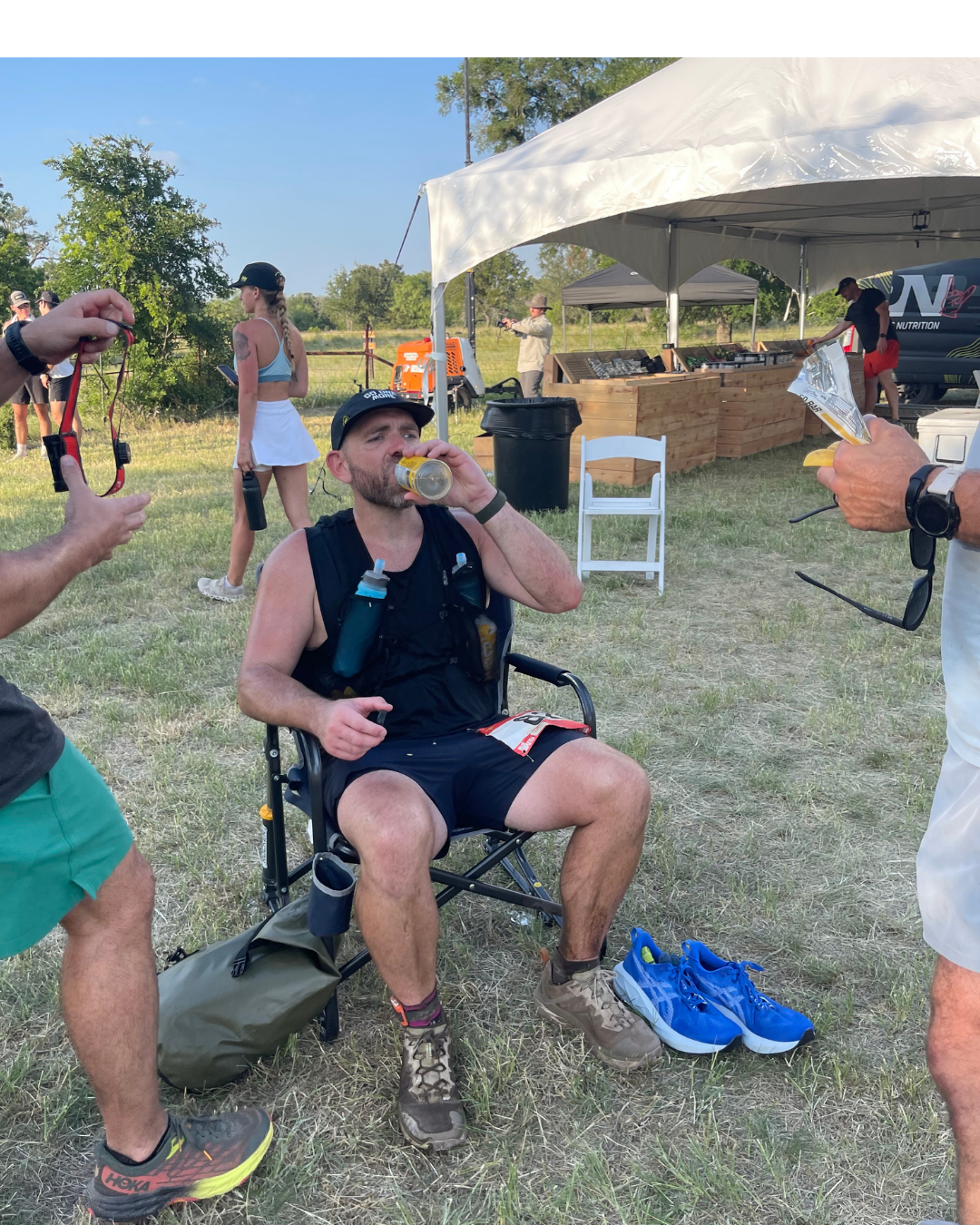
Ultramarathons aren’t just longer races. They’re a different sport entirely.
They demand more than fitness. They demand strategy, durability, and problem-solving under fatigue. And the athletes who thrive aren’t always the fastest — they’re the ones who prepare the smartest.
If you’re training for your first ultra (or looking to level up your next one), here’s what truly matters!
1. Ultras Are Not Just “Long Marathons”
Marathons typically last 3–5 hours.
Ultramarathons can last 8 to 30+ hours!
That changes everything.
Success in an ultra isn’t about pace alone — it’s about:
Managing blisters
Handling stomach distress
Navigating fatigue
Solving problems in the moment
Staying mentally steady during low points
In ultras, you will feel low. Experienced runners expect it — and don’t quit when it hits.
At MoveRx, we tell our athletes: finishing is often about problem-solving, not speed.
2. The Foundation: Aerobic Base + Consistency
If you’re new to ultras, your training should revolve around:
Zone 2, Easy, High-Volume Running
Aerobic base is everything.
Back-to-Back Long Runs
Instead of one massive long run, splitting mileage across two days builds fatigue resistance with less injury risk.
Strength Training (1–2x/week)
Durability matters. Single-leg strength and injury prevention work are non-negotiable.
Gradual Mileage Increases
Consistency beats “hero workouts” every time.
As race day approaches, specificity increases:
Match the terrain
Match the elevation
Practice downhill running (protect those quads)
3. Ultras Are Eating Events

Carb strategy for the Michael Scott Dunder Mifflin Scranton Meredith Palmer Memorial Celebrity Rabies Awareness Pro-Am Fun Run Race for the Cure.
One of the biggest beginner mistakes? Under-fueling.
Ultras should be treated like moving buffets.
Carb Loading
Start 2–3 days before race day.
Eat a high-carb meal several hours before the start.
During the Race
Aim for:
50–90g carbs per hour.
Train your gut gradually.
Use trial and error (gels vs. real food).
Nutrition is highly individual.
Other pro tips:
Include complex carbs, some fat, and protein to support digestion.
Hydration and sodium needs vary — sweat testing helps.
Ginger or carbonation may calm nausea.
If nauseated: stop food for 45 minutes, sip water only, then return with liquids first.
You don’t “wing” nutrition in ultras (like Michael Scott). You practice it.
4. Foot Care Can Make or Break Your Race
Blisters are one of the leading causes of a DNF (Did Not Finish).
Prevention > Reaction.
Recommendations:
Journal hotspots after long runs.
Manage moisture (creams, barriers, tapes)
Use gaiters to prevent debris.
Dump and dry feet regularly
Carry a foot kit — and train your crew to use it.
Ignoring a blister rarely works out in your favor.
5. Gear, Pacing & Backyard Strategy
Everything should be tested before race day:
Lighting systems.
Hydration setups.
Anti-chafing solutions.
Shoe options (alternate pairs to allow foam recovery).
For backyard ultras specifically:
Aim for consistent pacing (52–54 minutes per loop).
Avoid coming in too fast.
Use downtime wisely.
Bring a chair or air mattress — time off your feet adds up.
Ultras reward discipline.
6. Action Steps You Can Implement This Week
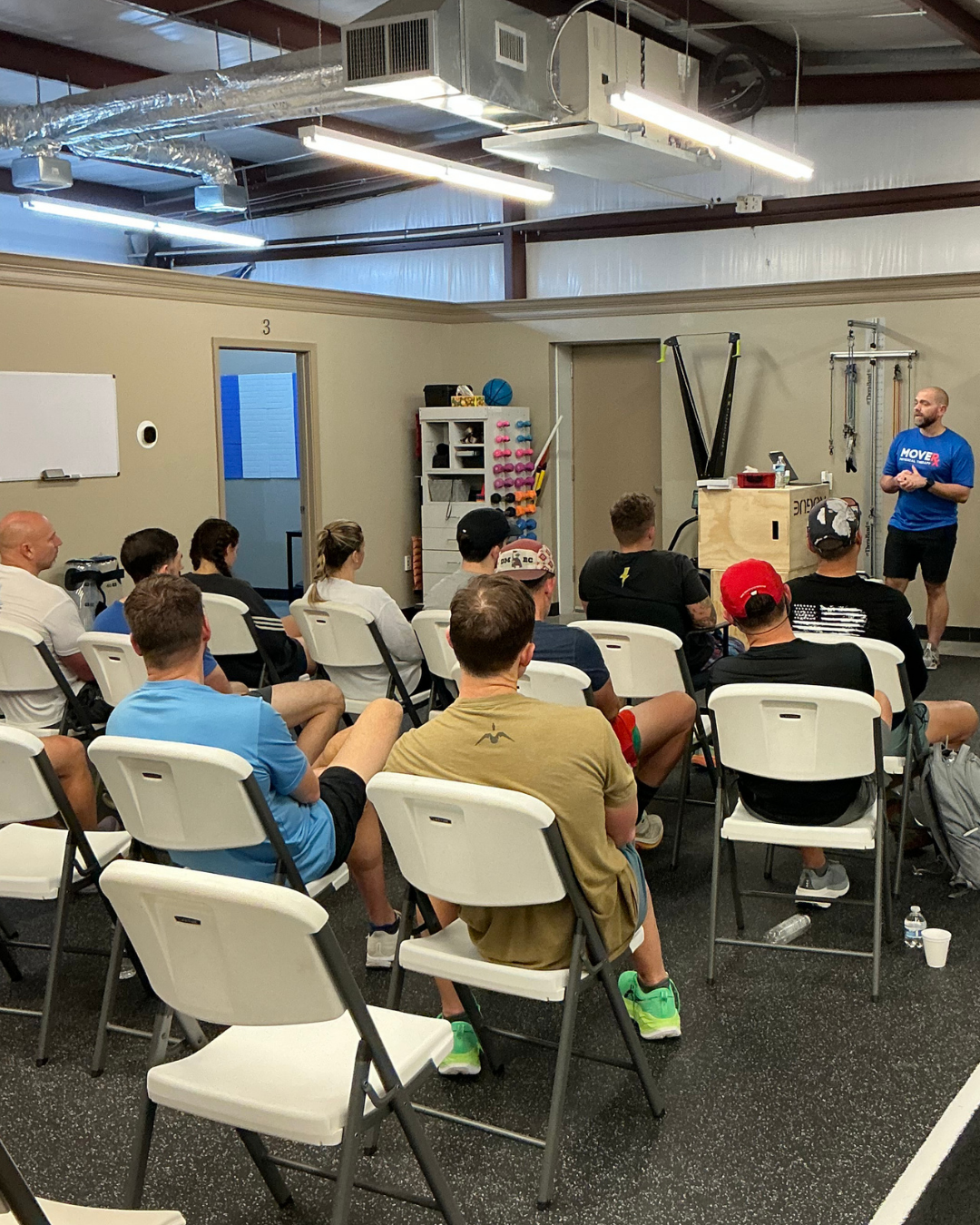
Practice fueling during long runs
Log what works and what doesn’t
Increase mileage gradually
Add 1–2 weekly strength sessions
Build your blister prevention kit
Communicate clearly with your crew
Test all gear before race day
Small, consistent adjustments now prevent massive problems later.
You’re Made for More
Ultramarathon training is less about proving toughness — and more about building resilience, strategy, and patience.
At MoveRx, we help endurance athletes:
Build strength that lasts
Prevent injuries before they happen
Recover smarter
Prepare intentionally
If you’re training for an ultra and want a plan built around durability — not just mileage — we’re here for you!